
These Once-Wild Lands
Where Bears and Wolves Roamed

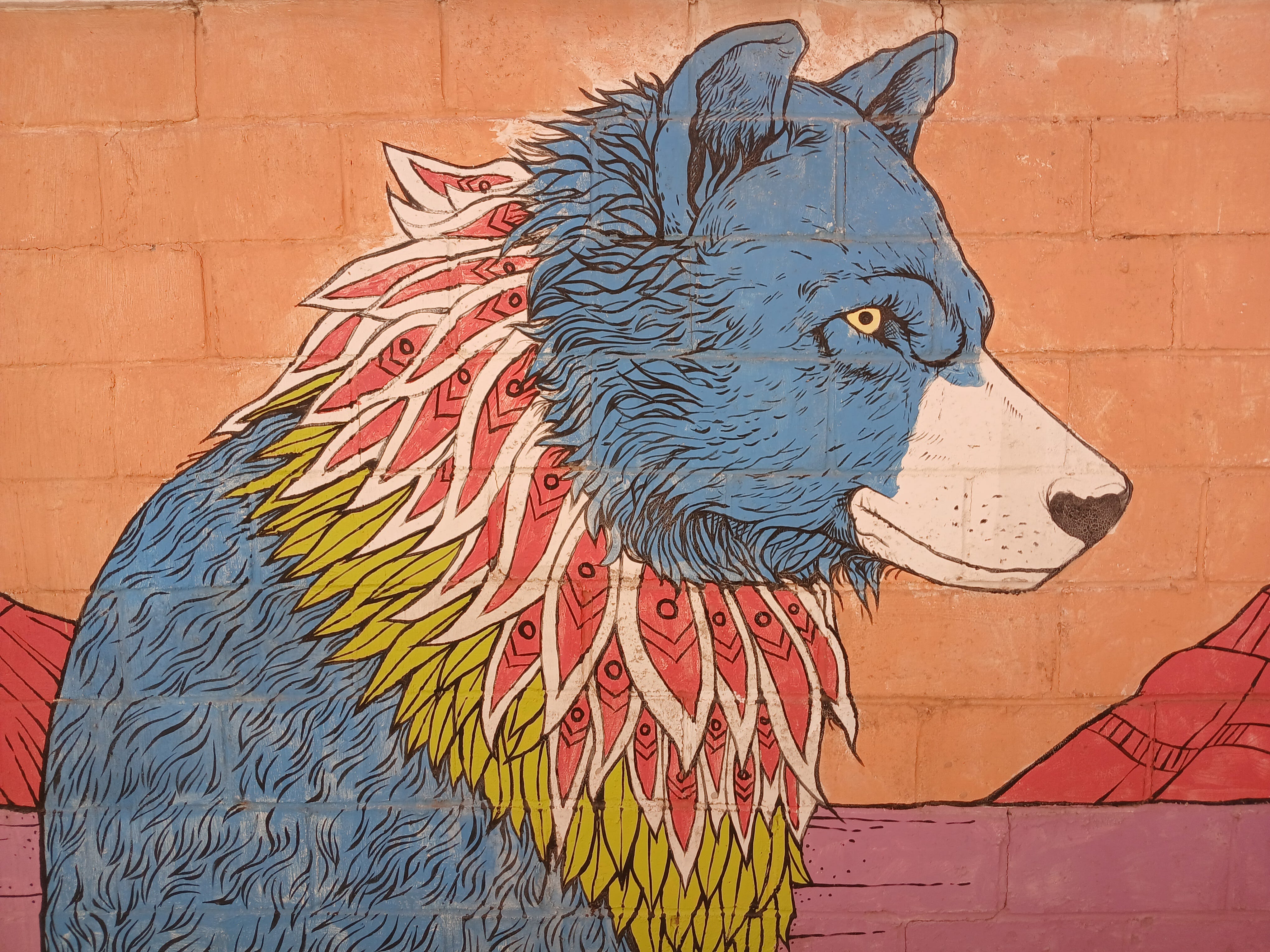
We measure loss in imprecise ways: forgetfulness, a pang of recognition in the stomach, or a full-blown panic attack. One of the many things we’ve forgotten is that only a century or two ago, the Southwest teemed with bison, grizzly bears, wolves, and jaguars. Man was not the apex predator. Prior to man, this was lush grassland with giant sloths, American lions, and mastodons, bones of which remain to be discovered.
I am not an ecologist; I approach this topic simply as someone who experiences the natural world. Arguably, the most important species are the largest predators, with so much else hinging on their survival. For many decades, policy in our region was total eradication of grizzly bears, wolves, and other threats to ranching and grazing lands. Our twin desires for expansion and safety put settlers in direct conflict with our predators.
Early historical accounts of Paso del Norte are replete with descriptions of wolves howling, and sheep being taken in the night. The grizzly bear was finally eradicated in New Mexico by the late 1890s, but they also used to roam all of New Mexico. I recommend “Meet Mr. Grizzly,” an out-of-print book by Montague Stevens, a saga of the passing of the grizzly bear. He was a one-armed British hunter who along with his hound dogs would tree grizzlies in the Gila National Forest. It’s both an entertaining chronicle of a unique time in rural Southwest New Mexico, and a sad realization that he is playing a part in the destruction of a predator that he ultimately reveres, not reviles.
These animals followed me north in imagination. In Alaska, that base memory/fear of large animals was amplified, living on an island that had both grizzlies and black bears, and running the trails most afternoons. I carried bear spray, as well as something that made noise, a can filled with dried beans. That ancient memory is stored in our amygdala, the part of the brain responsible for flight.
Men would always tell me, don’t show your fear – the large German Shepherd on the beach in Mexico, the bear huffing in the locust trees near Nogal Peak – animals can sense it. I would think, how do they learn to turn their fear on and off, like a switch?
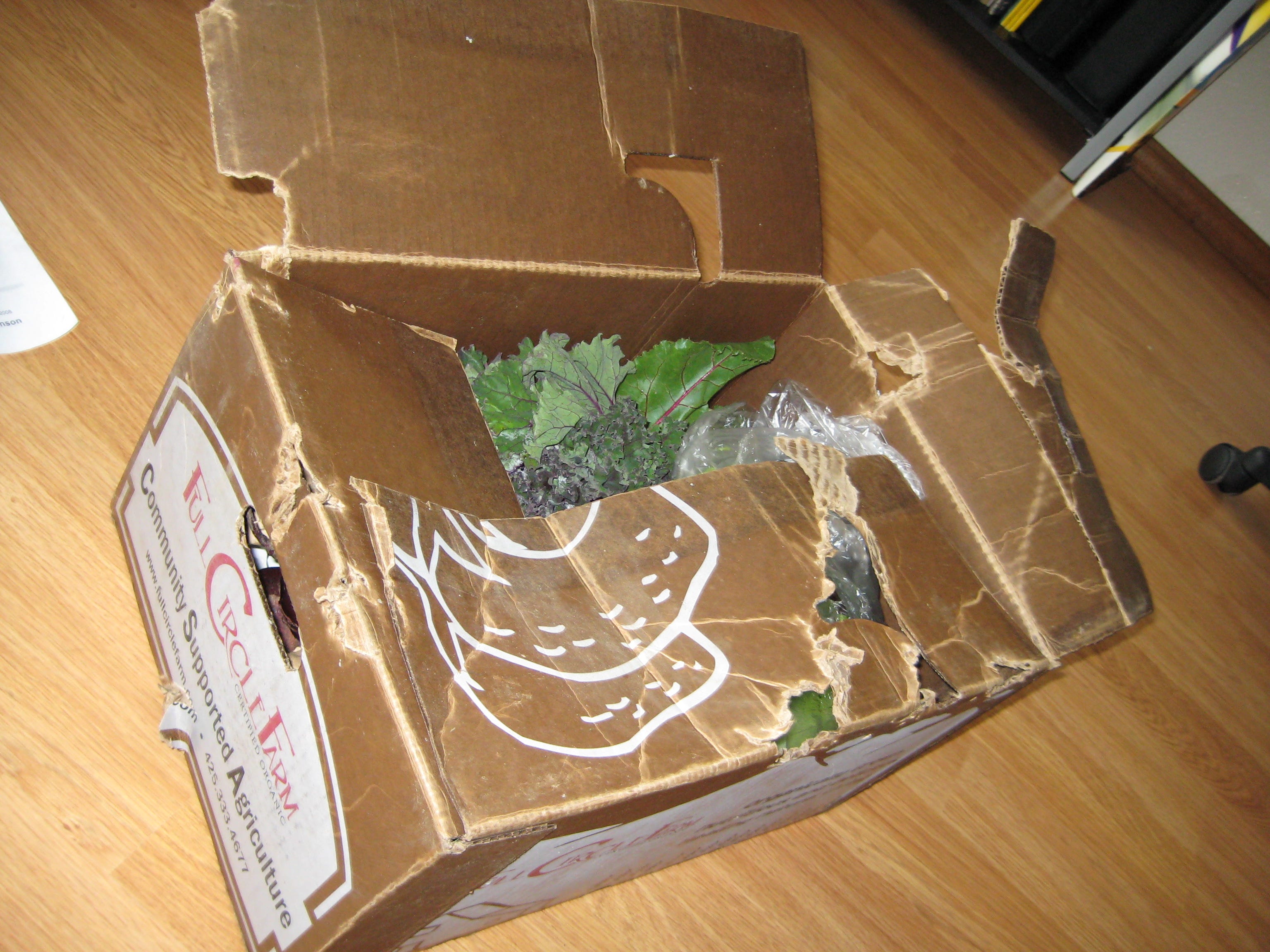
My closest run-in with a bear, though, apart from the few I saw from a boat, was one that was unseen. I received a box of produce from a CSA in Seattle that was flown in weekly, and left in an open garage in a Juneau neighborhood. I would enter the garage in the afternoon, and find the box with my name on it. One week I entered to find a corner of the garage with vegetables strewn about – boxes overturned and torn into. I froze – then looked behind me, saw that I was alone, and hightailed it out of there with only a partially broken-into box.
In 2017, a Mexican gray wolf with a radio collar ventured from Mexican territory onto Mount Cristo Rey, on the outskirts of El Paso. Was it looking for a mate? Did it retain some ancient memory of its past territory? Did it want to show us that yes, we were once here?
One of the great ecological costs of the border wall is that it impedes migration of large animals, isolating the sky islands of southern Arizona from populations south of the border. Populations that cannot migrate are weakened through inbreeding, or die out altogether. Their right to territory is denied; they have no passport or app to cross.
Now, with threats to Texas and the Big Bend area, the black bear that I remember protecting my belongings from, in the bear boxes in Chisos Canyon, might no longer be able to roam the Mexican hills just south, a landscape every bit as arresting.
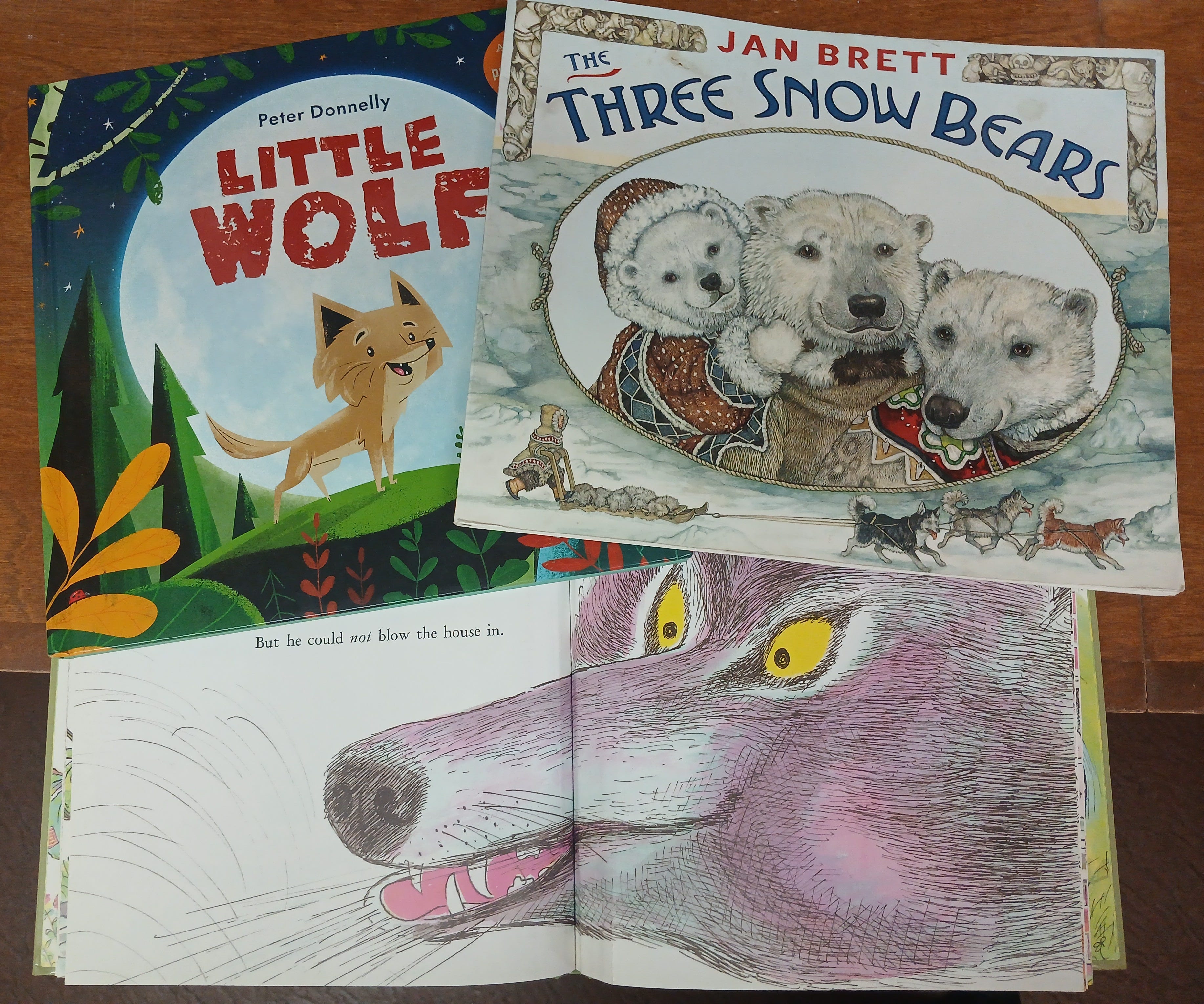
In Western children’s stories, wolves represent treachery, danger, and an insatiable appetite. Bears are kinder spirits, though perhaps tricksters as well, as in the Russian fairy tale “Masha and the Bear.”
The Apache revere both the wolf and the bear. Bears are quasi-human spirits, called “grandfather” or “uncle,” and there is a prohibition on any use or consumption of the animal; they are left alone. Wolves are social pack animals that mimic human families, seen as loyal and intelligent, animals from which humans can learn. A parallel society.
Perhaps these large animals are no longer compatible with our “settled” lives. Perhaps we have traveled too far. Rewilding is sadly inconsistent with the predominate political values.
Each of us processes loss in different ways.
I tend to dream, and these animals are still present in a recurring dream I have. They appear almost as in a pop-up children’s book; I am in the deep woods, and they wander by, sometimes alone or sometimes in a herd. Fear is gone, and is replaced with wonder. But they still very much exist. My youngest son is enraptured by the animal world. I hope he will experience coexistence too, even if just as deep-seated memory.