
Mother Tree

Have you ever hugged a tree, your cheek pressed against rough bark?
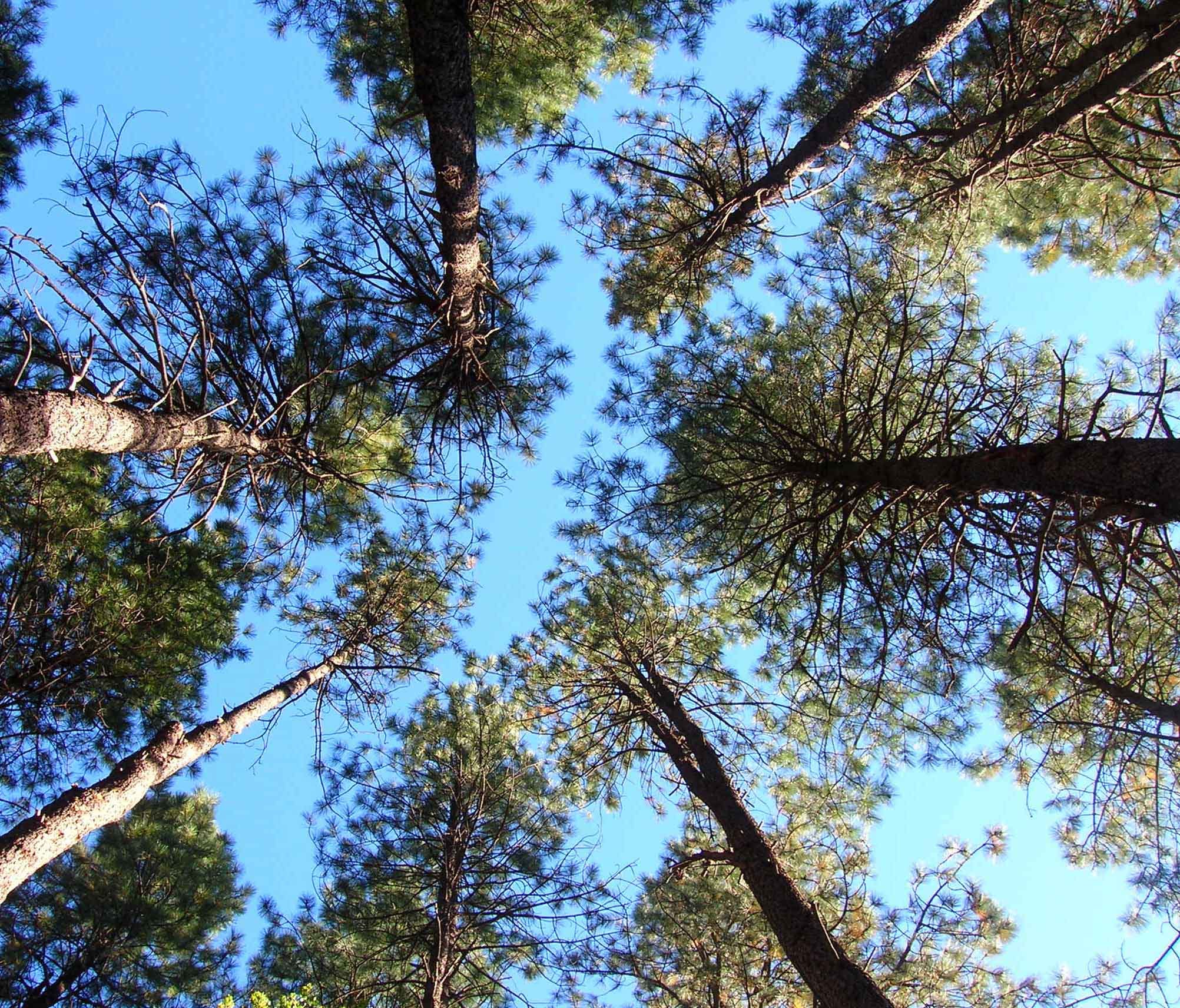
Before there was a thing called forest bathing, I used to lie on my back, and look up at the sky through the trees, the one place that felt like what a cathedral should be.
It is hard to be a mother; I didn’t underestimate the work, but I probably underestimated both the joys and the inevitable suffering. When my oldest son was two, he and I took a day trip from Oaxaca City to Mitla, and on the way stopped at El Tule, one of the world’s oldest and largest trees. It is a Montezuma Cypress, perhaps 1,500-3,000 years old, with a trunk more than 35 feet in circumference. We gathered with the other tourists under its shade and examined its bark as you would a museum fresco.
He left his one-eyed blue bear stuffy under the bus seat. I went back a day or two later to the company and they magically found it for him. It was Christmas, and I was ill with bronchitis, having to argue for medicine with the pharmacist who admonished me for breastfeeding him past age two.
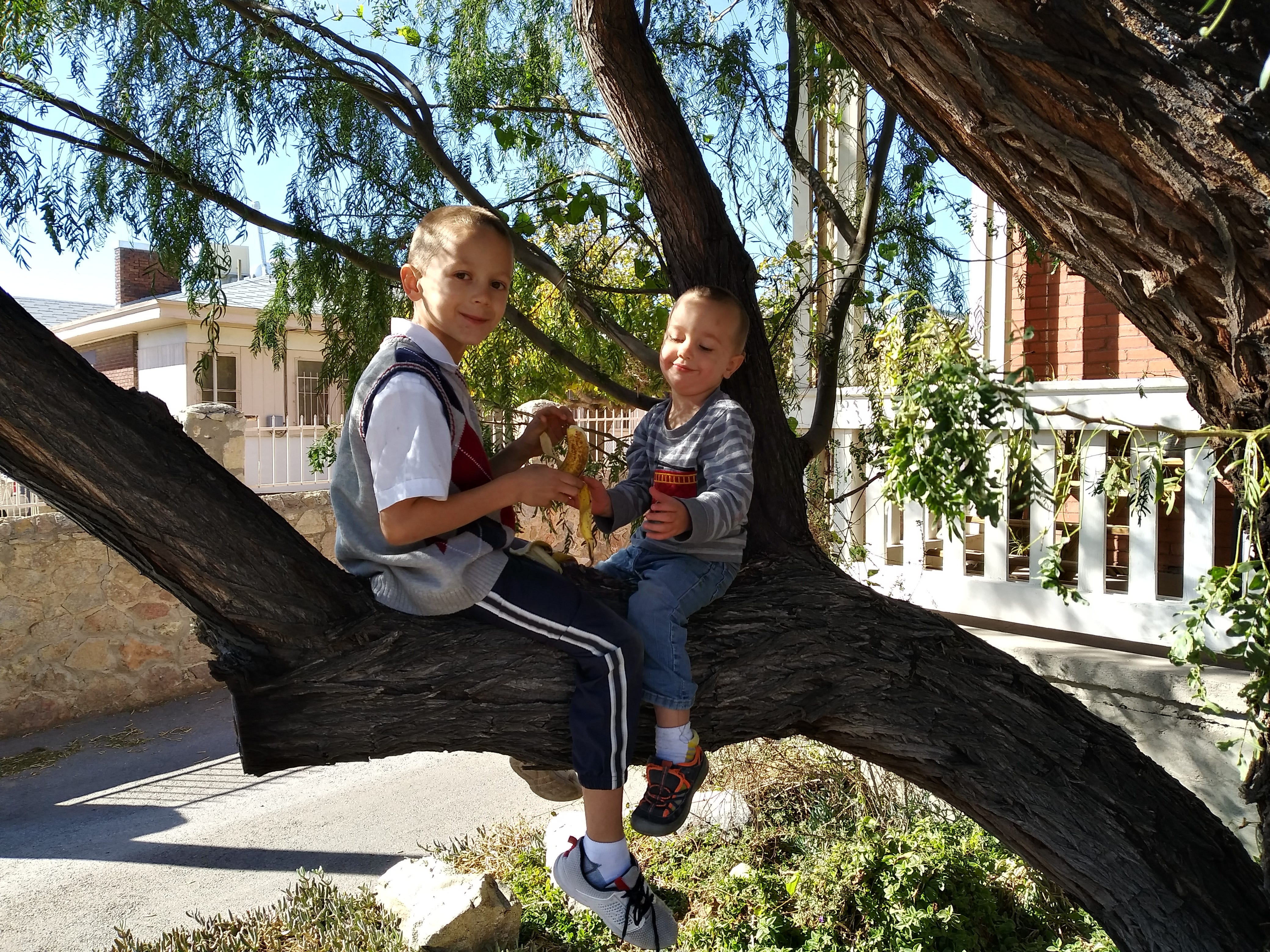
Our home has a giant 50-year-old honey mesquite in the front that is worryingly imprinted into the utility lines near our house (El Paso Electric trims that part). We were denied cheaper homeowners’ insurance without lopping off more branches. This mother mesquite is currently nurturing two small trees – about one and two years old – in my neighbors’ patch of grass that we tend. They grow faster than my own children, and they don’t cry when I give them haircuts. The two-year-old is now more than six feet tall.
A few years ago, our book club read Peter Wohlleben’s bestseller, “The Hidden Life of Trees,” about their social lives and communication networks. It is a mind-blowing book – akin to discovering alien life at our very feet. Conjuring some of the greatest living structures out of thin air, from a tiny seed, trees have been on this earth for 370 million years. They precede the dinosaurs. They turned a rocky, cold planet into a garden and play area.
Many traditions have grasped the spirit or anima of trees. The Greeks had the dryads; the Japanese had the Kodama. On our continent, there were the tree people, those who emerged walking from the underworld with their jewels that eventually turned into berries and acorns when they planted their roots. I think of the woman in India, who died in February at age 113, having planted over 8,000 trees, as a creative act in response to her sorrow of not being able to bear children. She was known as Mother Tree.
My parents used to name our trees. They still have Henrietta, the yaupon holly, and Samson, the stone pine. It hurts me to see them removed; it feels like the death of a pet. Each year we plant our Christmas tree somewhere else; this year, I had to remove a small Texas Mountain Laurel volunteer, with its deep root. I carefully dug as deeply as possible, but it still lost its leaves, and I thought it must be dead. But trees carry the inner strength of mothers, and this spring, it emerged with a new shoot from the base. I’ll see if I can tend it well enough to transfer it back to the ground.
My own mother is much more protective of my children than she ever was of me – I have fond memories of being 30 feet up in a mulberry, spying on my extended family, every now and then dropping a little berry down through the canopy. I spent a good portion of my childhood outside, climbing in trees, getting scratched up. But I never fell.
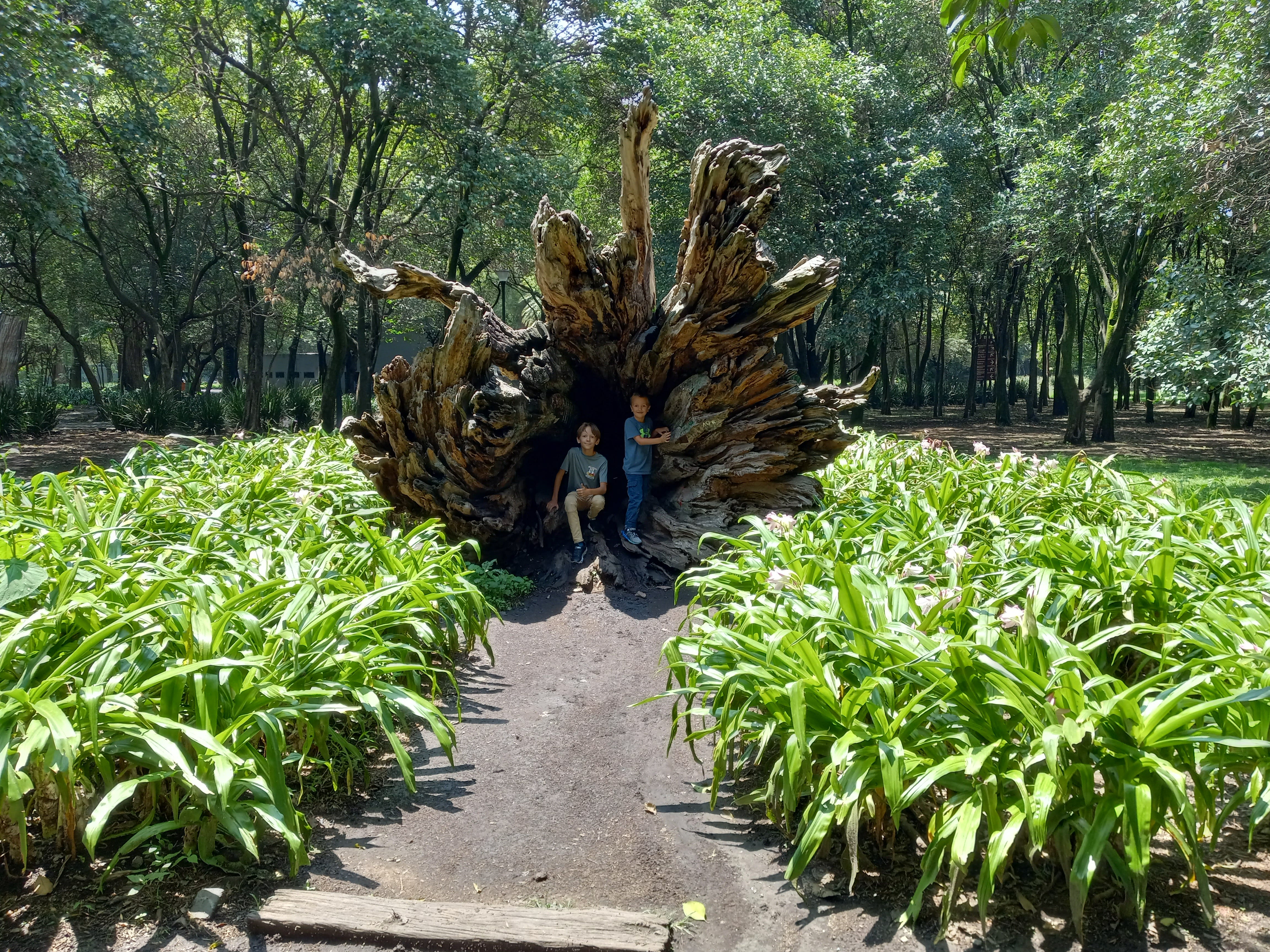
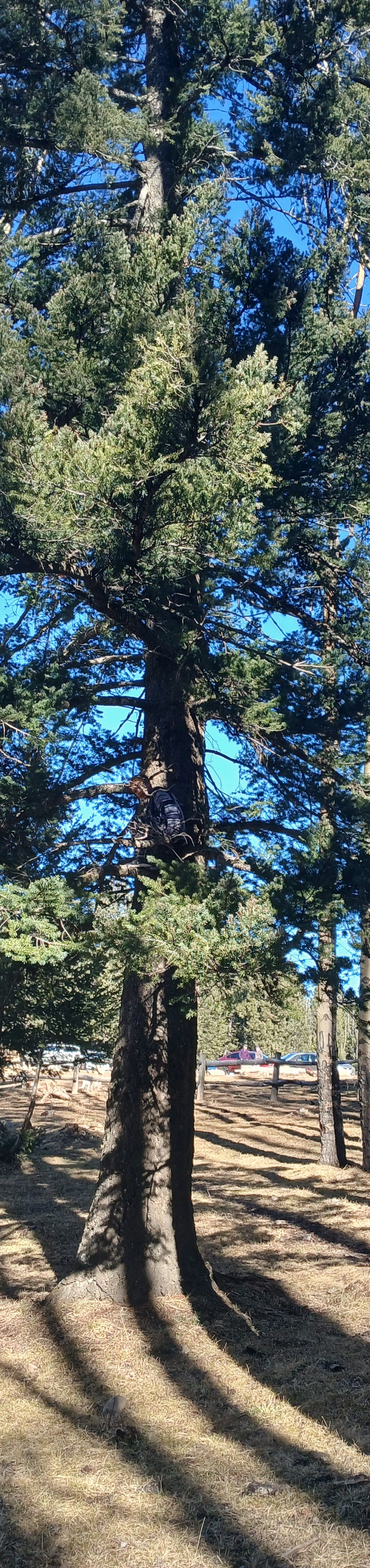
We go to the Sacramento Mountains in January, to see the dwindling snow patches, and my youngest scampers straight up into a pine with almost no handholds. My mother is unsure how he can get down.
I tell her, he will be fine.
Yes, we have to learn to let go.
And nobody falls from trees. They hold onto you and protect you.
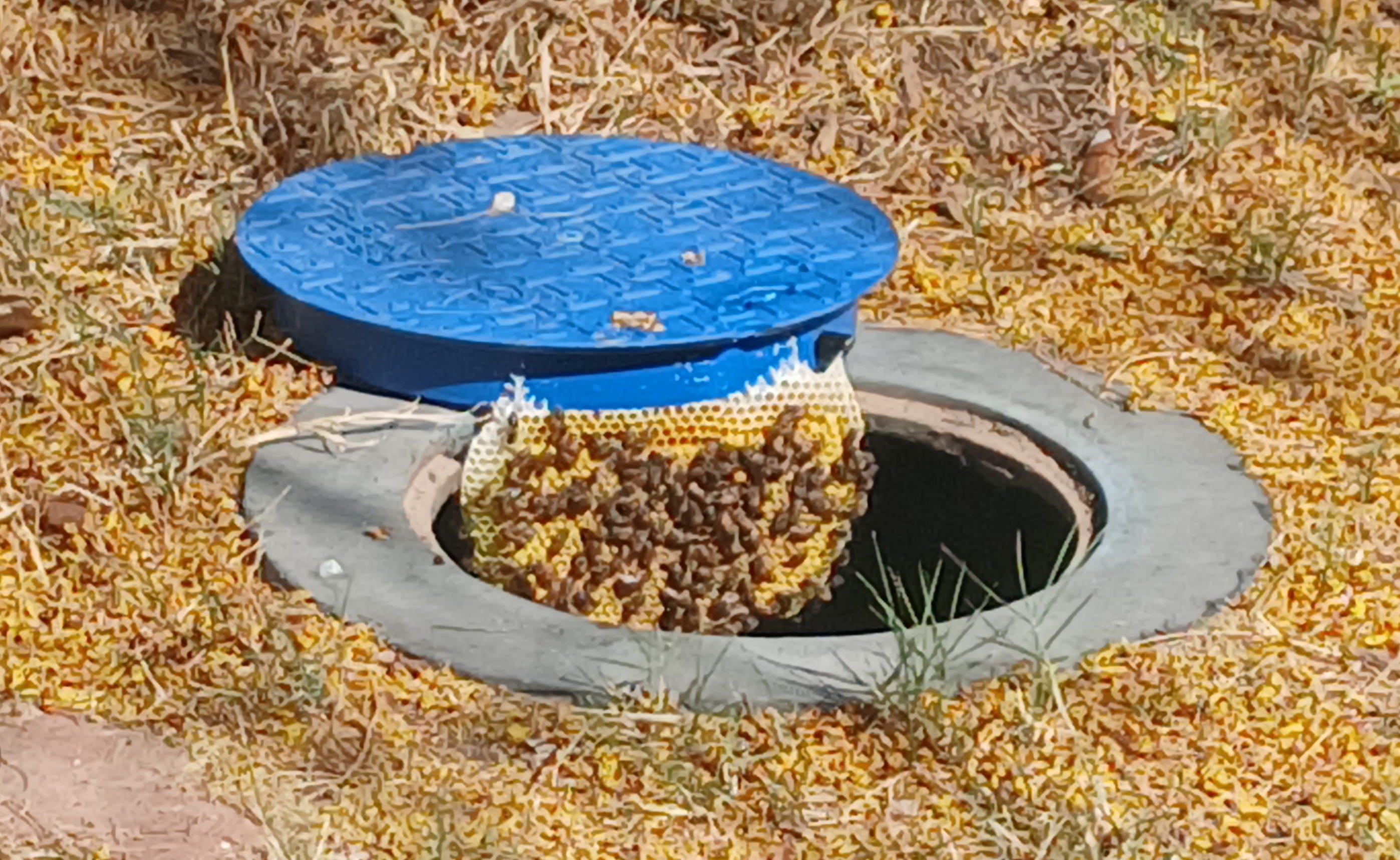
The day before Mother’s Day, I called the Paso Del Norte Beekeepers Association to inquire about moving a honeybee hive that had taken residence, after a four-year hiatus, in my water meter. They had protection, ventilation, and easy access to the bright yellow palo verde flowers overhead. My kids came over to watch, as the husband-wife team, dressed in full beekeeping regalia, vacuumed approximately 20-30,000 bees into a five-gallon paint container, for careful transport to their farm in Canutillo. They captured the queen; they let my boys hold the drone bees that had no stinger. We each put our ear up to the plastic container; it hummed with angry energy. We felt overwhelming relief they would be saved.
We humans like to think we’re separate from this web of life surrounding us. Or on top of life’s hierarchy. So far, we’re just a flash in this planet’s evolutionary surprises. Perhaps that’s why these old souls, the pines and beeches, the ferns and reeds, are so soothing.
I SO love the bee story! And I will remember that woman in India too. Thank you for your tender Earth mothering, Vanessa.
Thanks for the treet. When I lived in Miami Beach as an adolescent we climbed the banyan (I think) trees in the park. The tops were intertwined so we never had to come down.