
Into the Wilderness
A Personal History

“To those devoid of imagination a blank place on the map is a useless waste; to others, the most valuable part.” – Aldo Leopold
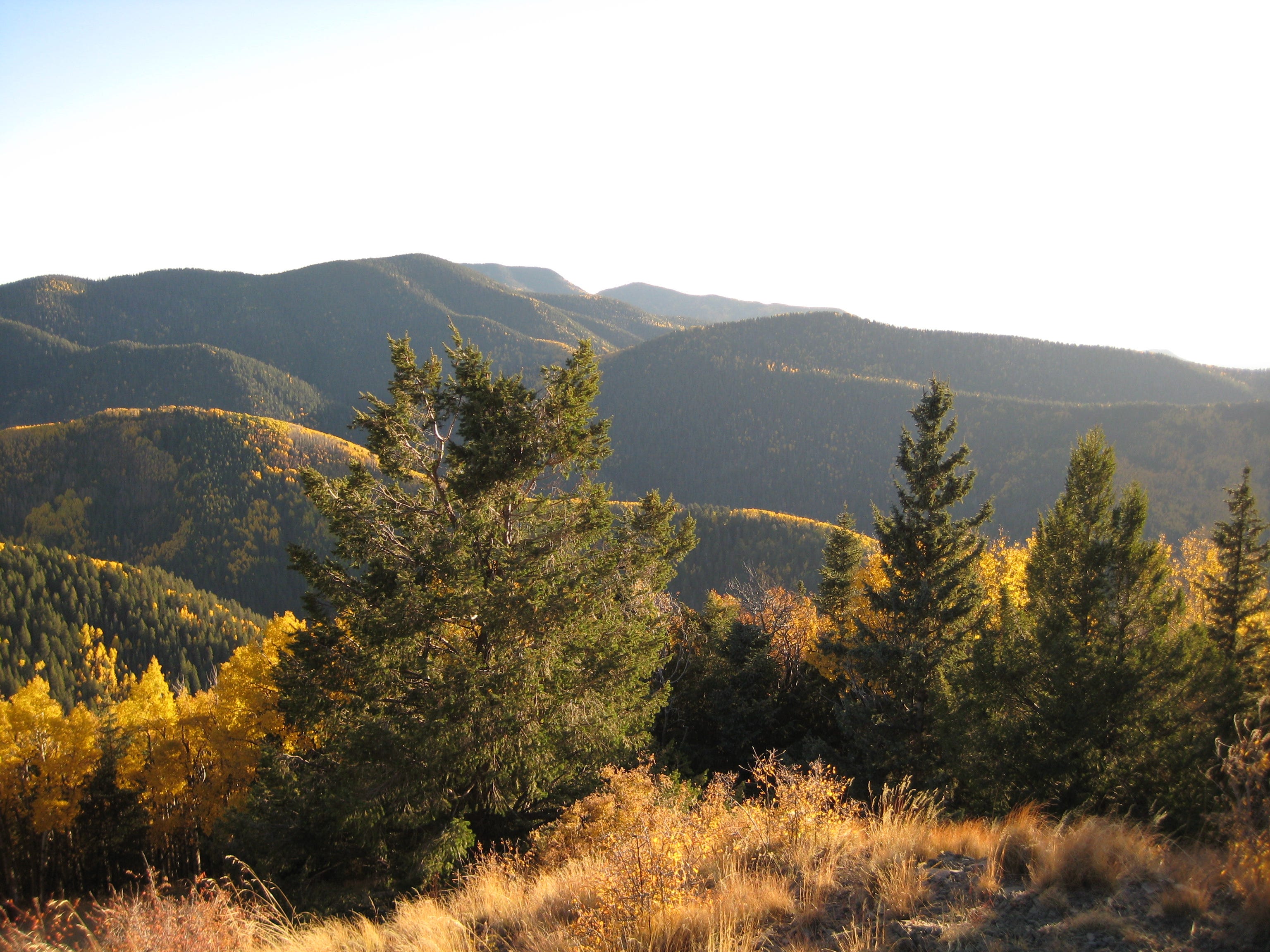
I can’t remember his name now, but picture the Marlboro Man, skin like dry leather under his cowboy hat, abhorring small talk, and forever squinting into the distance. He was one of three leaders on a horse-packing trip into the rugged Gila National Wilderness of New Mexico in 1993. I was a gangly and precocious fourteen, basking under the liberty of being without parents for a week. Our group of 15 ventured into the Middle Fork during a cold spring season, to mountains with primeval Gila monsters that have outlasted the humans that once lived in today’s ghost towns.
The first day began before dawn, and six hours after waking in El Paso, the long-awaited moment at the stables finally arrived. Of course I remember his name – J.D., with his chestnut coat, the very distinctive shaved mane, the suspicion in his velvety eyes that quickly turned to adoration after the offering of a sugar cube I had saved in my pocket all morning. Though overwhelmed by the beauty and power of the animal, I conceded he might have a rival in our leader’s horse, an energetic dark golden mare. Sensing my admiration, he could not resist the explanation. “My wife sold her Ford pickup for this horse.”
It was approaching noon when our caravan started off, and already the cold wind was cutting through my jacket, but the excitement of all beginnings prevailed. It was only maybe five miles anyway, over the mountain and down into the valley where we would camp the first night.
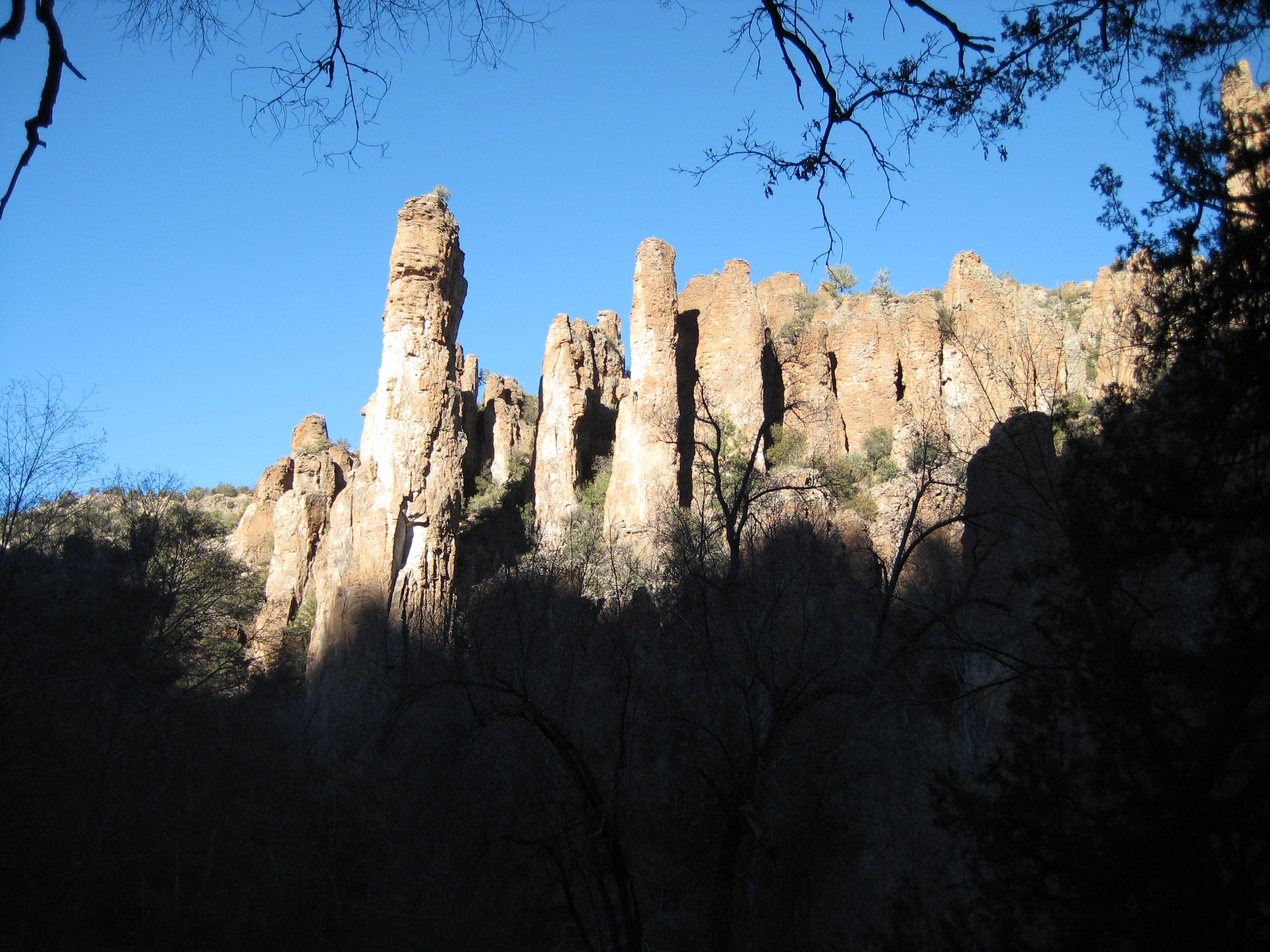
Horses are intelligent creatures, and like many animals, can sense danger long before humans. As the afternoon wore on, an electric shiver would periodically run through our procession. Only several minutes later, amid nervous whinnying and faltering steps, did we realize that the trail was icing over. Not even four hours into the journey, we were faced with a dilemma. If we dismounted, we would risk darkness falling before arriving in the valley. The horses would need water, so we couldn’t just sleep in the high forest. An argument broke out between the leaders, but safety dictated that the group dismount, all except the one leader whose statuesque figure I could make out from the rear of our caravan.
Carefully standing on the uphill side of the trail, I led J.D., my voice gently reassuring him with every step. On his other side was a precipitous drop, and it was clear he was not fooled by my babble. The day was growing dimmer and chillier with every minute, but our plodding was mechanical and strangely comforting. My concentration was soon broken by a gasp from ahead of me. Our leader’s body thudded and he grabbed onto a tree, but his horse kept falling, and I never heard the landing. Even the horses were silent in the face of this death, as the humans were hoping that the landing had been fatal, as it was too far and too late to find and shoot the animal. The tension remained heavy as we threaded our way slowly downhill.
Arrival at the base was a relief; everyone was at once absorbed in the many tasks of putting up tents, building fires, watering the horses, unloading mules. That night, closely huddled around the fire, we were strangely cheerful, with the unspoken assurance that the worst was over, joking that the mountain gods had received their offering, and the rest of our journey would be protected. And indeed it was. We spent five days crisscrossing streams, searching for fields where the horses could run, finding spots of weak sunshine. On the fourth day we searched for the dead horse in order to recover the saddle, which had split from the impact.
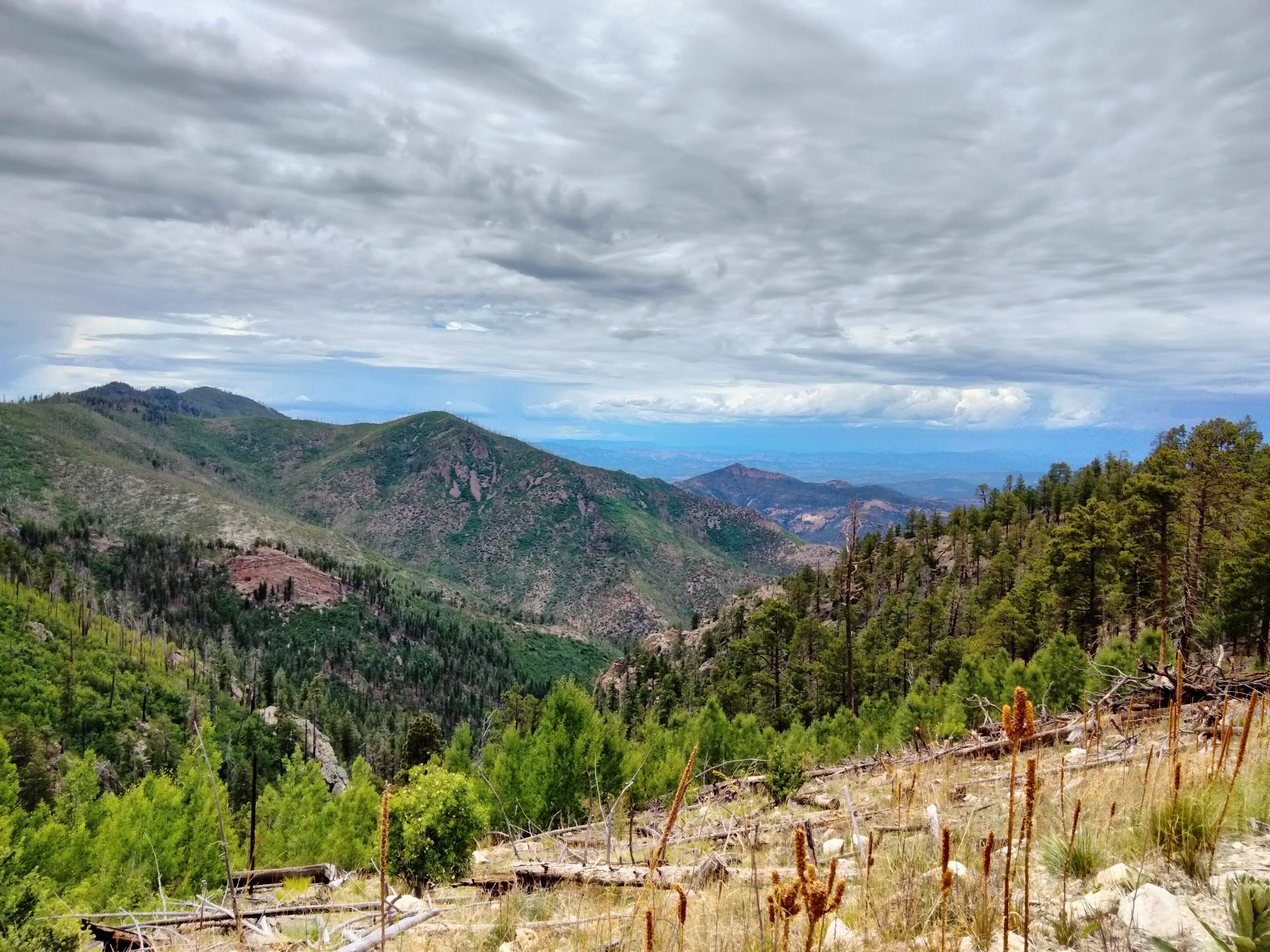
I wrote these paragraphs eight years after the events of the trip, in April of 2001, from a studio apartment in Los Angeles, as part of a series of essays about New Mexico and El Paso. I wrote how I was struck at the particular details I could recall, and those that were missing from my memory. I wrote how I remembered the collective sigh when the sun went down over the ridge and the temperature immediately dropped.
I remembered the haunted winds and the smell of the land that felt like mine. I remembered the leader’s rough hands when he was saddling the mules with our provisions, and helping me tie a knot, and the feelings that my changing body had that I could not yet name as desire.
I mostly wrote about my longing to return to the southwest, which solidified in the form of a summer internship in Silver City after graduation. But life intervened, and I instead spent that summer in the hospital and relearning how to walk, in the heat of El Paso rather than the forest. It would be years before I returned to the Gila.
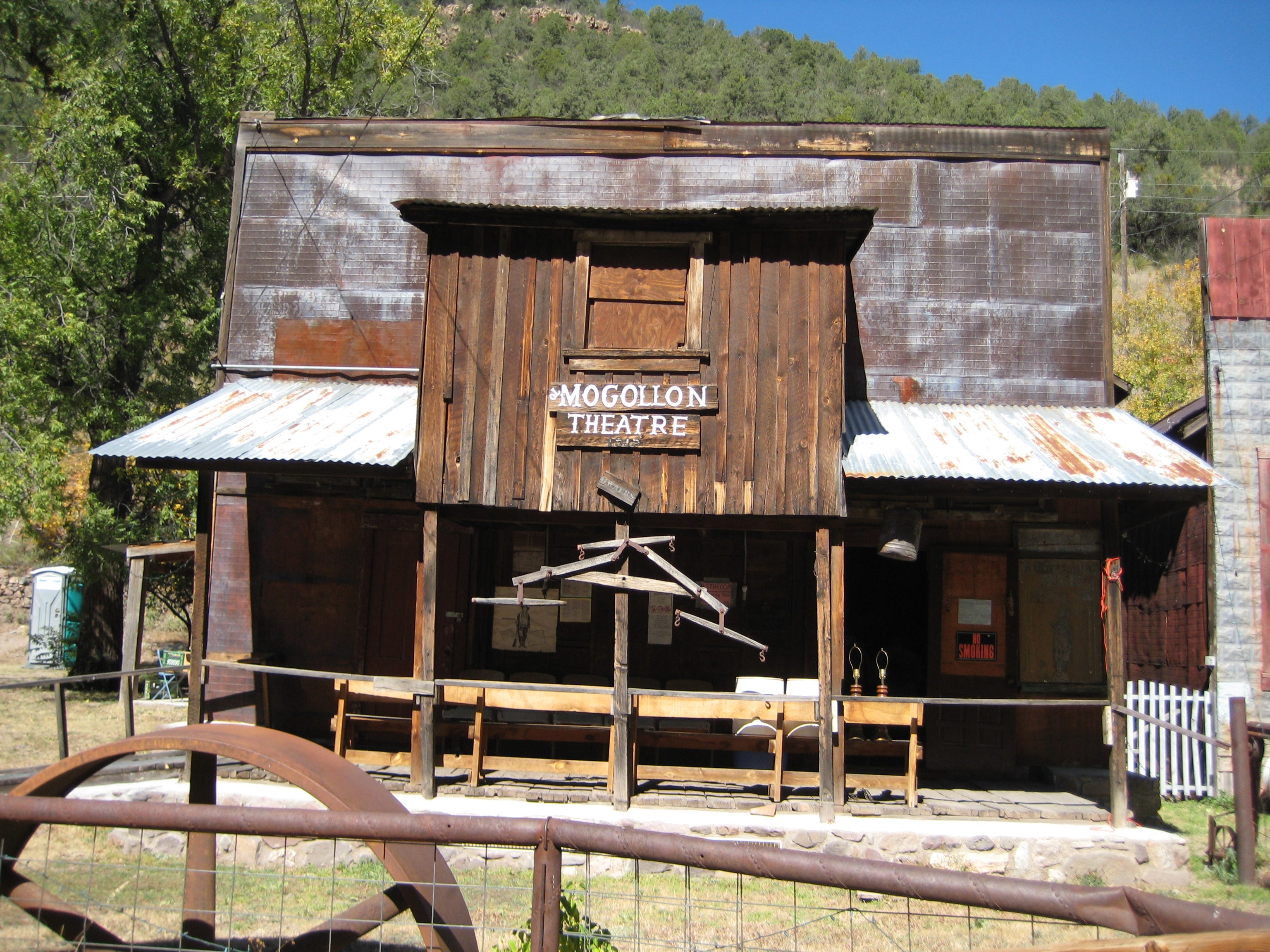
I didn’t know it at the time, but my great-grandfather had also headed to Silver City to work in the mines, after Louisiana didn’t work out. He followed a friend into Mogollon and got snowed in for the winter. After that brutal season, he never wanted to see another mountain again, and made his way to Roswell, where my grandfather was born in the flat plains.
I spent my 20s in different mountains, although I followed various men into the Gila on backpacking trips. I sought out men like that leader, men who were both arrogant and capable. After my children were born, I took them to the Gila Cliff Dwellings, and the Catwalk, and Snow Lake, at the top of the Middle Fork, 30 miles of bumpy dirt road in either direction with no cell phone service. We watched herds of elk splash into the water and swim in the morning, and deer hiding in reeds at midday. I ventured with my youngest, who was then seven, past the dam until we had gone too far and I was afraid.
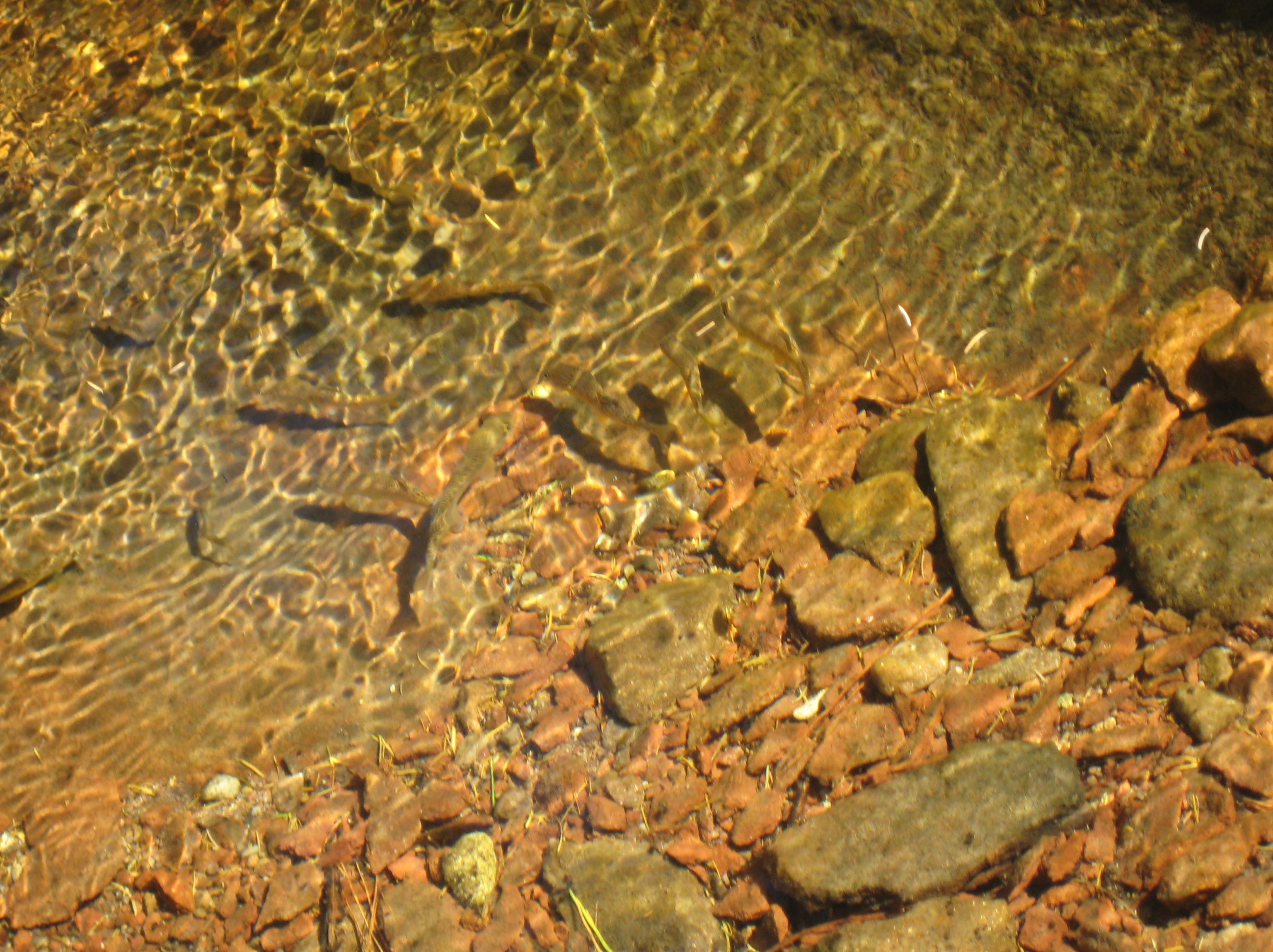
I’ve collected all sorts of maps of the Gila Wilderness, places where the roads end and peaks that seem unreachable but for days walking. I’ve read Aldo Leopold and Edward Abbey and Philip Connors. I want to be brave enough to venture in alone. There is still something about the Middle Fork that feels like the center of the universe to me. I return there in my mind, in both despair and delight, to dark skies and whispering trees, crisp water full of fish, my private utopia.
If I ever disappear, that might just be where I’ve gone to.
I sent your story to Doug Coleman, a frequent visitor to the Gila.
What an inspirational essay. There is truly something about the places left unfinished, as John Philip Santos named them that call to us and sing in our blood